As a seasoned supplier of corrugated pipe machines, I’ve witnessed firsthand the pivotal role quality inspection standards play in the manufacturing and operation of these essential pieces of equipment. In the dynamic world of corrugated pipe production, ensuring that our machines meet rigorous quality benchmarks is not just a regulatory requirement; it’s a commitment to delivering reliable, efficient, and high – performing solutions to our valued customers. Corrugated Pipe Machine
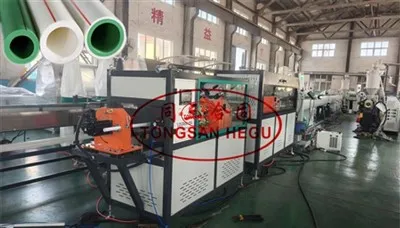
1. Mechanical Structure Quality
The mechanical structure of a corrugated pipe machine is the backbone upon which its performance is built. First and foremost, the frame of the machine must be constructed with high – quality steel. The steel should have sufficient strength and hardness to withstand the mechanical stresses and vibrations generated during the continuous operation of the machine. We typically source steel that meets international standards such as ASTM (American Society for Testing and Materials) or equivalent European standards.
For the joints and connections in the mechanical structure, they need to be precisely machined and firmly assembled. Welded joints should be inspected for penetration, fusion, and the absence of cracks. Non – destructive testing methods, such as ultrasonic testing or magnetic particle inspection, are often employed to detect any hidden flaws in the welds. Bolted connections must be tightened to the specified torque values to ensure stability. A loose bolt can lead to misalignment of components, which may cause uneven wear and tear on the machine and ultimately affect the quality of the corrugated pipes produced.
The moving parts of the machine, such as the molds, gears, and chains, also require strict quality control. The molds, which are crucial for shaping the corrugated pipes, should have a smooth surface finish. Any rough spots on the mold can transfer to the pipes, resulting in poor – quality products. The dimensional accuracy of the molds is of utmost importance, with tolerance levels typically within a few hundredths of a millimeter. Gears and chains need to be lubricated properly, and their wear levels should be monitored regularly. Excessive wear can lead to reduced transmission efficiency and inaccurate operation of the machine.
2. Electrical System Quality
In modern corrugated pipe machines, the electrical system is as important as the mechanical structure. It controls the operation, speed, and various functions of the machine. All electrical components, including motors, controllers, sensors, and switches, should be sourced from reputable manufacturers. These components should be rated to handle the electrical loads and environmental conditions of the machine.
The wiring of the electrical system must be neatly organized and properly insulated. Loose or exposed wires pose a significant safety hazard, including the risk of short – circuits and electrical fires. Connectors should be securely attached to prevent disconnection during machine operation. We conduct electrical insulation resistance tests to ensure that the insulation of the wires and components is intact.
The control system of the corrugated pipe machine is the brain that orchestrates its operation. It should be able to accurately control the speed of the extruder, the temperature of the heating zones, and the movement of the molds. Programmable Logic Controllers (PLCs) are commonly used in our machines, and they should be programmed to provide stable and reliable operation. Regular software updates are also necessary to improve the performance and functionality of the control system.
3. Extrusion System Quality
The extrusion system is responsible for melting and shaping the plastic raw materials into corrugated pipes. The screw and barrel of the extruder are the key components. The screw should be designed to provide efficient plasticizing and conveying of the raw materials. It should have the right compression ratio and flight depth to ensure uniform melting and mixing of the plastic.
The temperature control of the extrusion system is critical. The heating zones along the barrel should be able to maintain the set temperatures accurately. Temperature sensors are installed at various points to monitor the temperature, and the heating and cooling systems work in tandem to keep the temperature within the desired range. Inaccurate temperature control can lead to problems such as uneven melting of the plastic, bubbles in the pipes, or poor pipe wall thickness.
The die head, which shapes the molten plastic into the corrugated form, should have a precise internal structure. The flow channels in the die head should be designed to ensure a uniform flow of plastic, which is essential for producing pipes with consistent wall thickness and corrugation quality.
4. Quality of the Final Product – Corrugated Pipes
One of the most important indicators of the performance of a corrugated pipe machine is the quality of the corrugated pipes it produces. The pipes should have a smooth inner and outer surface, free from defects such as cracks, holes, or uneven corrugation. The thickness of the pipe wall should be consistent throughout the length of the pipe, with a tolerance within a specified range.
The diameter of the corrugated pipes should also meet the design requirements. We use precision measuring tools, such as calipers and micrometers, to measure the pipe diameter and wall thickness at regular intervals during the production process. The corrugation shape and pitch should be uniform and match the specifications. Non – conforming pipes can lead to issues in installation and use, such as poor sealing or reduced structural integrity.
5. Safety and Environmental Standards
In addition to the functional and quality requirements, our corrugated pipe machines must also meet stringent safety and environmental standards. Safety guards should be installed on all moving parts of the machine to prevent operators from coming into contact with dangerous machinery components. Emergency stop buttons should be easily accessible and clearly marked, allowing operators to quickly halt the machine in case of an emergency.
The machine should also comply with environmental regulations. For example, the heating systems of the extruder should be energy – efficient to reduce energy consumption. The materials used in the machine should be recyclable or environmentally friendly to minimize the environmental impact at the end of the machine’s life cycle.
Contact for Purchase and Negotiation
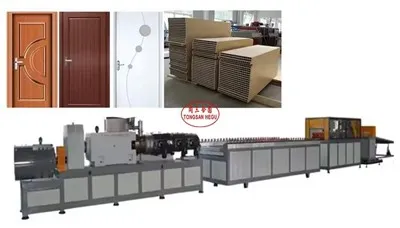
At our company, we are dedicated to providing the highest – quality corrugated pipe machines that meet and exceed the above – mentioned quality inspection standards. We understand that every customer has unique requirements, and we are committed to working closely with you to find the perfect solution for your corrugated pipe production needs.
Plastic Pipe Machine Whether you are setting up a new corrugated pipe production line or upgrading your existing equipment, we have the expertise and experience to offer you the best products and services. If you are interested in our corrugated pipe machines or would like to discuss specific requirements, please feel free to contact us. We look forward to the opportunity to partner with you in your business success.
References
- ASTM International Standards for Steel and Metal Products.
- ISO Standards for Electrical Equipment and Safety.
- Industry – specific guidelines for Corrugated Pipe Production and Machine Manufacturing.
Qingdao Tongsanhegu Plastic Machinery Manufacturing Co., Ltd.
With abundant experience, we are one of the most reliable corrugated pipe machine manufacturers and suppliers in China. We warmly welcome you to buy durable corrugated pipe machine for sale here from our factory. Quality products and reasonable price are available.
Address: West of Xixinzhi Village, Sanlihe District Jiaozhou, Qingdao City, Shandong Province, China
E-mail: info@tongsanhegu.com
WebSite: https://www.tongsanhegumachine.com/
