When a manufacturing shop reaches that inflection point where their profile machine starts holding back throughput—maybe it’s spitting out inconsistent cuts, or the tooling changeover takes longer than their whole lunch break, or downtime has jumped 15% in the last quarter—many operators reach for the same instinct: “buy a new machine.” As a profile machine supplier, I’ve seen this play out hundreds of times, and most of the time, that knee-jerk purchase is a mistake. Upgrading your existing machine is not only cheaper than a full replacement, it’s often more aligned with your shop’s specific needs, and it cuts down on the lead times that can stall production for weeks. Profile Machine

I started in this industry 12 years ago, out of a small garage workshop where I repaired used profile machines for local cabinet makers. Back then, I thought every upgrade meant slapping a bigger motor on the frame. Now, after working with shops that make aluminum window frames, foam insulation profiles, and even precision plastic extrusions, I know the best upgrades are tailored to your machine’s core use case. Let’s break this down step by step, no jargon, just the practical stuff I tell every customer who walks through my door.
First, you need to do a deep dive into your current machine’s pain points. Too many shops skip this part, and end up upgrading features they don’t need while ignoring the ones that are killing their productivity. Last year, a customer that builds custom solar panel frames came to me, complaining their 7-year-old profile machine had inconsistent edge cuts. They were ready to buy a new $80,000 machine, but when we tore down the old one, we found the issue was a worn linear guide rail, not the whole cutting head. Their biggest bottleneck, though, was tool change time: it took 12 minutes to swap a router bit, when the industry average is 3. We fixed the rail and upgraded the tool changer, and they reduced their cycle time by 22% without a new machine. So step one: audit your machine’s data. Grab your last three months of downtime logs, talk to the operators who run it every day, and write down the top three problems. If the issue is constant tool breakage, that’s a different upgrade than if it’s slow material feed.
Next, prioritize the upgrades that give you the most bang for your buck, ordered by impact. Let’s start with the biggest, most impactful upgrade: the control system. Old profile machines—even ones built 10 years ago—often run on legacy controls that can’t handle modern material profiles or automated tooling. If your machine still uses a hardwired PLC or a hand-held controller with a 4-inch screen, upgrading to a modern CNC control is one of the best moves you can make. A good CNC control lets you save hundreds of profile programs, so you don’t have to re-calibrate for every new run. It also adds features like automatic axis alignment, which cuts down on human error, and remote diagnostics, so I can troubleshoot a problem over the internet instead of sending a technician out (saving you $200+ per service call). Last quarter, a woodworking shop that runs small batch mouldings upgraded their control, and they cut their setup time per job by 40%—that’s time they can use to take on 10 more jobs a month, no extra machine needed.
If control is the brain, the motor and drive system is the muscle. A lot of people forget that older profile machines often have underpowered motors that can’t handle the torque needed for thick materials, or wear out from constant use. Upgrading to high-torque servo motors instead of the old stepper motors that came standard can drastically cut cycle times, especially for hard materials like aluminum or stainless steel. I recently worked with a fabrication shop that runs ¼-inch aluminum profiles; their old stepper motors took 1.2 seconds to accelerate to full speed, while the new servos do it in 0.2 seconds. That added up to a 18% increase in throughput, and the motors cost less than 10% of a new machine. The catch here is: you don’t need to upgrade both motors at once. If your main cutting axis is the bottleneck, just upgrade that one first. If your feed axis is slow, start there. No need to throw money at upgrades you don’t need.
Then there’s tooling and tool changing, which is the most overlooked upgrade for shops that run multiple profile types. If your current machine uses manual tool changes, or a 3-position changer, adding an automatic 6- or 8-position tool changer can cut change time from minutes to seconds. Also, modern tooling—like carbide-tipped cutters instead of high-speed steel—last 10 times longer, and make cleaner cuts, so you don’t have to sand edges after, which saves a whole extra step. Last year, a customer that makes window trim was going through a new router bit every 50 profiles. We swapped their HSS bits for carbide, and they now get 500 profiles per bit, and no more chip-out on the edges. That upgrade paid for itself in 2 weeks, just from not having to replace bits.
After that, frame and component upgrades for stability. If your machine has a wobbly frame that causes vibration during cuts, even the best control and motors won’t give you consistent results. A lot of shops ignore this, but vibration is the number one cause of uneven cuts and tool breakage. Upgrading your linear guide rails instead of using the old round shaft bushings is a common fix: round shafts are cheaper, but they wear out faster and have more play. Profile machines with linear guides hold tighter tolerances, even for long runs. We also offer upgrade kits for the machine’s base plate—adding extra gussets or a reinforced cross-member can cut vibration by 70%, which makes a huge difference for precision cuts. I once had a customer who makes medical device profiles (super tight tolerances, ±0.005 inches) that couldn’t get consistent parts; after replacing the round shafts with linear guides, they hit their tolerance spec on the first run, no rework needed.
Wait, but when is it time to skip the upgrade and buy new? That’s a question I get all the time, and it’s not a black and white answer. If your machine is over 20 years old, and the spare parts are no longer made, then upgrading might end up costing more than a new machine. If you’re running materials that are way beyond what the original machine was designed for—like a 10-year-old machine built for 2-inch pine now running 6-inch aluminum—then even the best upgrades won’t make it reliable. But if your machine is less than 15 years old, has all its spare parts available, and the only issues are speed, downtime, or setup time, upgrading is almost always the better choice.
I also want to talk about a common mistake shops make when upgrading: over-customizing. I’ve had customers ask me to add features like a robot loader or a laser marking station to their machine as part of the upgrade, when what they really needed was a tool changer. Adding extra features is great, but if your base machine can’t support them, you’re wasting money. For example, a robot loader is a huge time saver for high-volume runs, but if your machine’s feed axis can’t handle the extra weight of the material, the loader will cause more downtime than it fixes. Stick to solving your specific pain points first, then add extra features later, as you need them.
Let me walk through a real example to make this concrete. A client in Chicago that makes custom truck bed rail profiles came to me last year. Their machine was 8 years old, had a legacy control, stepper motors, a 3-position tool changer, and constant vibration from worn round shafts. Their pain points: 1) Tool change time was 11 minutes per job, 2) Downtime from motor issues was 12% of their production time, 3) Their edge tolerance was off by 0.015 inches, leading to 8% rework. We put together an upgrade package: new CNC control (cut setup time by 30%), upgraded servo motors (cut cycle time by 17%), a 6-position automatic tool changer (cut change time to 2 minutes), and linear guide rails (cut vibration and rework to 1%). The total cost of the upgrade was 28% of a new machine, and they recouped the cost in 4 months from extra throughput and less rework. They didn’t have to wait 12 weeks for a new machine, and they kept the core frame that fit their shop floor perfectly, so no re-layout needed.
One more thing: never do an upgrade without talking to someone who knows profile machines. A lot of general machine repair shops will tell you any upgrade is the same, but that’s not true. A profile machine for foam is way different than one for titanium, and an upgrade that works for one will fail for the other. For example, a servo motor that works for aluminum might be too powerful for foam, leading to melted edges. That’s why working with a supplier who specializes in profile machines means you get advice tailored to your specific use case, not a one-size-fits-all kit.
So, to wrap this up: upgrading your profile machine isn’t just a cost-saver, it’s a way to keep your shop running smoothly without disrupting your workflow. Start with an audit of your current pain points, prioritize upgrades that target those pain points, and avoid over-customizing early on. If your machine is under 15 years old and parts are available, upgrading will almost always give you a better return than a new machine.
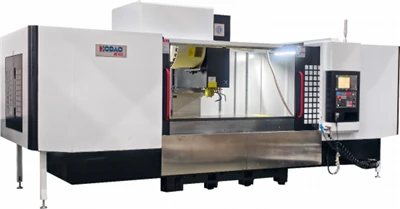
If you’re not sure where to start with your own profile machine—whether you’re dealing with downtime, inconsistent cuts, or slow changeover—reach out to discuss your requirements. We can help you audit your machine, put together a custom upgrade plan, or answer any questions you have about getting more out of your existing equipment. Just get in touch to start the conversation.
Horizontal Machining Center References
- Manufacturing Extension Partnership (MEP) Guide to Industrial Machine Upgrades, National Institute of Standards and Technology, 2022
- "Profile Machining: Optimization of Cycle Times", Journal of Industrial Manufacturing, Volume 45, Issue 2, 2021
- "Cost-Benefit Analysis of Industrial Equipment Upgrades", Industrial Maintenance and Operations Association, 2023
Taizhou Qiyang Trading Co., Ltd.
As one of the most professional profile machine manufacturers and suppliers in China, we’re featured by quality products and good price. Please rest assured to buy bulk profile machine for sale here and get quotation from our factory. Customized orders are welcome.
Address: Zhenhai Village, Binhai Town, Wenling City, Taizhou City, Zhejiang Province
E-mail: qycncmachine@outlook.com
WebSite: https://www.qycncmachine.com/
