Hey there, if you’re scrolling for how long stainless steel bars actually hold up, you’re probably not asking for a random guess — you’re either picking material for a new build, replacing worn parts, or just tired of shelling out for metals that rust or bend way too fast. As a stainless steel bar supplier, I hear this question every single week, and I get it: no one wants to waste cash on something that’ll need replacing in a couple years. Let’s cut the fluff and get to the real science, plus what you can actually expect for lifespan. Stainless Steel Bar
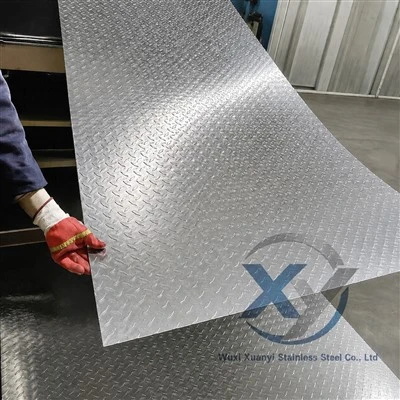
First off, let’s get one thing straight: stainless steel isn’t “stainless” — it’s corrosion-resistant. That tiny twist matters a ton. The magic comes from chromium, right? When chromium hits oxygen (even just the air), it forms a super thin, invisible layer called a passive film. If that layer gets scratched or damaged, it instantly reforms on its own — no extra coatings, no touch-ups. That’s why it doesn’t rust like regular carbon steel. But how long that film and the bar itself stick around? It depends on way more than the metal’s grade.
Let’s break down the main grades we work with, because not all stainless bars are the same. The most common ones we sell are 304 and 316, and those two have totally different lifespans. 304 is the workhorse — it’s got 18% chromium and 8% nickel, great for indoor use: kitchen equipment, architectural trim, generic structural parts, even garden tools. Outdoors, it does okay in mild conditions: rain, normal humidity, occasional road salt splatters (like a sidewalk rail by a neighborhood street, not a coastal highway). For 304, I’ve seen bars last 20 to 30 years in those mild environments. But if you stick it somewhere harsh — like a farm’s livestock trough that’s constantly in fresh manure runoff, or a deck railing near the ocean where salt air hangs heavy — 304 might only hold 8 to 15 years. That’s not a flaw in the metal; it’s just the environment testing its limits.
Then there’s 316 — our go-to for super tough jobs. It’s got molybdenum added, so it’s way better at fighting chloride corrosion. That’s why you use it for boat parts, chemical processing equipment, coastal infrastructure, even medical implants. In coastal areas, 316 bars easily last 30 to 50 years. We had a customer a few years back who used 316 for dock pilings in Florida; he told us 12 years in, they still looked brand new, no pitting, no rust stains. The only catch with 316? It’s more expensive, but that extra lifespan saves you way more in the long run than replacing cheaper 304 every decade.
But wait, there are so many other factors that throw that timeline off. Let’s talk about environment first, because that’s the biggest one I see people miss. If your bar is sitting in dry, low-humidity indoor space, like a warehouse for stored goods or a grocery store’s shelving supports? No way that’ll corrode — we’ve got 304 bars we installed in a supermarket back in 2010, and they still look fresh. But put that same bar in a place with constant moisture and chemicals: a food processing plant where they clean equipment with harsh acid detergents, or a wastewater treatment facility where there’s ammonia and sulfur compounds? Even 316 might start to show pitting after 15 to 20 years, not 50. And don’t forget physical stress — if a bar is under constant heavy load (like a support beam for a commercial building, or a bolt holding up a crane), even the strongest stainless can wear out faster from fatigue. We’ve seen bars snap after 12 years in high-vibration construction sites, not because of corrosion, but because metal fatigue from repeated stress.
Then there’s installation and maintenance — small stuff that makes a huge difference. A lot of customers think stainless steel “doesn’t need care,” but that’s not totally true. If you don’t wipe off salt residue from a coastal railing, or leave food particles on a 304 kitchen bar, that stuff can trap moisture against the metal and break down the passive film. We recommend a quick wipe with mild soap and water every few months for outdoor bars, and even a light polish once a year if they’re in a super harsh area. I’ve also seen people install carbon steel fasteners with stainless steel bars — that’s a big no-no. The galvanic reaction between the two metals (different electrochemical properties) causes corrosion on the stainless steel over time. That’s a common mistake that cuts lifespan in half.
What about lower-grade stainless? We also carry 400-series grades for things like cutlery or high-heat applications, like furnace parts. 410 and 430 are cheaper, but they’re less corrosion-resistant than 304. Those usually last 10 to 20 years in mild indoor heat, but they can rust easily if exposed to moisture. So if someone asks for a budget option, we always make sure they know that trade-off — you save upfront, but you’ll have to replace it sooner.
Wait, let’s get into the science of wear and tear to back this up. The passive film is only a few nanometers thick — like a millionth of a millimeter, so thin you can’t see it. But if it’s damaged (from scratching, chemical exposure, or galvanic reaction), corrosion starts at those small points. That’s called pitting, and it’s way more dangerous than general rust because it’s hard to spot until the metal is already weak. For 304 in mild conditions, pitting takes 15+ years to show up; in coastal air, it can start in as little as 3 years. 316’s molybdenum adds extra resistance to chloride ions, so pitting is way slower — that’s why it’s worth the extra cost for those tough spots.
I also want to address a common myth: some people say stainless steel never rusts. No, that’s not true — it just resists rust far longer than other metals. If you dip a 304 bar in strong hydrochloric acid, it’ll corrode fast, same as any other metal. The key is matching the grade to the job. That’s why we don’t just sell “stainless steel bars” — we work with customers to figure out exactly what environment their bar will be in, so we can recommend the right one. We’ve had customers come to us after buying the wrong grade from a big box store, and they end up spending more replacing it than they would have if they’d just gotten the right one from the start.
What about industrial applications? Like bars used in mining, or for heavy machinery parts. Those are usually custom cut from 304 or 316, and depending on the load and environment, they can last 25 to 40 years. We had a mining client out in Arizona use 316 bars for conveyor system parts — the desert is super dry, no salt, so they’re still going strong after 18 years. If that same client was in a coal mine with constant moisture and coal dust (which has chemicals), those bars might only last 10 to 15 years. It’s all about the context.
Another thing: manufacturing quality. Not all stainless bars are made the same. Some cheap suppliers cut corners, using less chromium, or impurities in the metal that weaken the passive film. That’s why we test every batch of bars we get — we check the chromium content, the tensile strength, the corrosion resistance. I’ve seen budget bars that rust in 2 years when they were supposed to last 20, just because the manufacturer skimped on materials. So buying from a reputable supplier (like us, obviously) isn’t just about customer service — it’s about getting metal that will actually hit that lifespan mark.
Let’s round up with real, anecdotal examples, because numbers are great, but stories stick. Last year, we did a project for a small town in Oregon, replacing old bridge railings. The old railings were carbon steel, replaced every 10 years. We put 316 bars in 2012, and the town’s public works guy told us last year they still have no rust, no dents — way better than the old ones. On the flip side, a customer who bought 304 bars for a restaurant’s outdoor patio railing in Miami called us after 5 years, saying they had rust spots. Turns out, they were using a strong acidic cleaner to scrub the railing, which ate away at the passive film. We recommended 316 for their next project, and we’ll follow up to make sure it holds up.
So, to sum it up: how long do stainless steel bars last? It’s not a one-size-fits-all answer. In mild, low-stress indoor environments, 304 can go 20-30 years, 316 even longer. In harsh outdoor or industrial environments, 304 might be 8-15 years, 316 15-25 years. If you skip maintenance or install wrong, you can cut that in half — but if you pick the right grade and treat it right, you’re looking at decades of use.

If you’re planning a project and want to get a solid estimate for how long your stainless steel bars will last, or you need help picking the right grade for your environment, hit us up. We work with everyone from small business owners to big construction firms, and we’ll hook you up with the exact bars you need, no guesswork. Just reach out to start the conversation.
Pipe References:
- Stainless Steel World, "Corrosion Resistance of Stainless Steels", 2021
- American Iron and Steel Institute, "Stainless Steel Materials Selection Guide", 2019
- NACE International, "Fundamentals of Stainless Steel Corrosion", 2020
- International Organization for Standardization, "ISO 15510: Stainless Steel – Technical Delivery Conditions for Rods and Bars", 2014
Wuxi Xuanyi Stainless Steel Co., Ltd.
Wuxi Xuanyi Stainless Steel Co., Ltd. is one of the most professional stainless steel bar manufacturers and suppliers in China. With abundant experience, we warmly welcome you to wholesale bulk durable stainless steel bar made in China here from our factory. If you have any enquiry about cooperation, please feel free to email us.
Address: Room 1207, Building 11, Shengang Metropolis Plaza, No. 299 Fangcheng Avenue, Xinwu District, Wuxi City,China.
E-mail: jscherryxy@163.com
WebSite: https://www.xuanyisteel.com/
