Hey everyone — let’s cut to the chase: I get questions literally every single day from people wondering if a scalp massager is just a “fancy hairbrush” or the other way around. And honestly? That’s such a common mix-up, especially since both live in the same “hair care self-care” lane. I’m a scalp massager supplier, so I’ve tested my fair share of both (and burned out a bunch of cheap ones that felt like plastic torture devices, tbh). Today I’m breaking down the real differences, why one might be way better for you, and when you should actually reach for each — no stuffy jargon, just the real tea. Scalp Massager
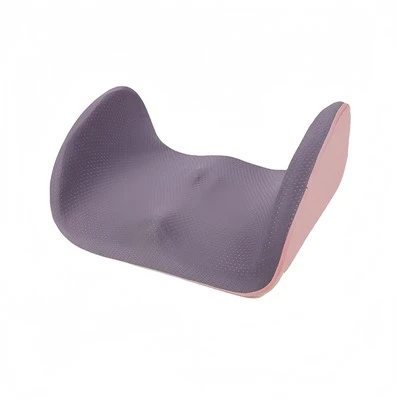
First, let’s start with what each is actually made for, because that’s where most people go wrong. A hairbrush (you know, the one you’ve had since middle school) is all about styling, detangling, and smoothing strands. Think about it: the bristles, even the soft “boar bristle” ones, are designed to grab and glide through hair — to work out knots, distribute natural oils from your roots to your ends, and give you that sleek blowout look. Even the plastic vent brushes? They’re meant to speed up drying, not mess with your scalp.
A scalp massager? Oh, that’s a whole different beast. Its whole job is to touch your scalp — not your hair. The soft, flexible silicone “fingers” (not actual bristles) are shaped to wrap around your scalp, not tug at hair strands. I’ve had customers tell me they tried skipping their scalp massager once and just using a hairbrush on their roots, and they ended up with tangles, even a little breakage. That makes total sense when you think about it: hairbrushes aren’t built to glide over delicate scalp skin without tugging at the hair growing out of it.
Let’s get into the nitty-gritty of design, because that’s where the science (yep, actual science) kicks in. Hairbrushes have stiff bristles, often made of nylon or boar hair, fixed to a rigid base. The rigidity means they can apply even pressure along the entire bristle length — perfect for pulling through knots, but bad if you want to avoid scalp irritation. Some high-end hairbrushes have “flexible” bristles, but even those don’t have the give of a good scalp massager’s silicone fingers. Silicone is key here, by the way: it’s soft enough not to scratch scalp, but firm enough to give a gentle, intentional massage.
Scalp massagers, on the other hand, have a pliable base that conforms to the curve of your head. Those tiny silicone nubs? They’re angled to target exactly where your hair follicles and sebaceous glands live — the top, sides, and back of your scalp. I’ve tested some cheap scalp massagers that had nubs that were too long or too sharp, but the good ones (the ones I supply) have nubs that are spaced just right so they don’t pull hair when you glide it over your roots. That’s a huge win for anyone with thin hair or a sensitive scalp.
Now, the effects — let’s get real, because this is what actually matters to most people. When you use a hairbrush correctly, you’re improving the look of your hair, maybe reducing flyaways. But when you use a scalp massager, you’re targeting your scalp’s health, which directly affects how your hair grows. Here’s the science bit: a gentle scalp massage (which is exactly what a scalp massager does) increases blood flow to the hair follicles. More blood flow means more oxygen and nutrients getting to the follicles, which can support healthier hair growth — that’s why so many people with thinning hair or hair loss swear by them.
I should mention that a hairbrush can accidentally boost blood flow if you press super hard, but let’s be honest: you don’t want to press that hard when you’re styling your hair. You’ll end up breaking strands, or worse, irritating your scalp so bad it gets flaky. Scalp massagers let you get that blood flow boost without the extra pressure, because the silicone does the work for you — you just glide it around, no need to push down hard.
Another big difference: how you actually use each one. A hairbrush is for styling — you use it on damp or dry hair, usually after washing, to detangle, smooth, or style. Most people use it 2-3 times a day, tops, for a quick brush through. A scalp massager? It’s for your scalp, so you use it when you wash your hair — like, when you’re in the shower, applying shampoo. Wait, that’s a game-changer, right? Using a scalp massager while shampooing lets you work the shampoo into your roots way better than just your fingertips. Fingertips only reach so far, but a scalp massager’s nubs get right down to the scalp, lifting away dirt, product buildup, and excess oil without scratching. Some people even use it dry, for a 2-minute self-care session before bed — just to de-stress, because that scalp rub hits different after a long work week.
But hold on — that doesn’t mean one is better than the other. They’re for totally different jobs. Let’s do a quick “use case” breakdown so you don’t mix them up: if you’re rushing to get ready for work, you reach for your hairbrush to smooth out your ends. If you’re in the shower, washing your hair, you grab the scalp massager to deep-clean your roots and give yourself a little mini massage. If you have a bad hair day where your roots are super greasy, the scalp massager will lift that buildup way better than a hairbrush ever could. If you have a knot in your ends that won’t come out, a hairbrush (maybe a wet brush, designed for detangling) is your go-to.
Wait, let’s talk about a common myth: some people think scalp massagers are just “overpriced silicone toys” and you can get the same effect with a hairbrush. But here’s the thing: I’ve had a customer who tried using a wide-tooth hairbrush on her scalp, and she ended up with a tiny rash. Why? Wide-tooth brushes still have hard, plastic teeth that don’t conform to the scalp’s curve. They don’t massage — they just scrape. Scalp massagers are made specifically to mimic the gentle pressure of a professional scalp massage, which is a totally different sensation than anything a hairbrush can do.
Another point: hair types. Let’s not leave anyone out. If you have curly hair, you might use a wide-tooth comb instead of a traditional hairbrush — same idea, it’s for detangling strands, not touching the scalp. A scalp massager works great for curly hair because it’s gentle on roots, and it won’t frizz up your curls like a stiff brush might. If you have straight, fine hair, you’ll notice a difference in how much volume you get after using a scalp massager — because the blood flow boost can give your roots a little lift, which translates to more volume at the top.
I should also mention that overusing a hairbrush can be bad. If you brush your hair more than 3 times a day, especially with a stiff bristle brush, you’re pulling at the strands, which can cause split ends or breakage. Scalp massagers? You can use them every time you wash your hair, which is usually 2-3 times a week, and even dry uses are totally safe as long as you don’t press too hard. I’ve had repeat customers tell me their hair feels less dry now that they’re using a scalp massager instead of over-brushing — makes sense, because over-brushing strips your hair of its natural oils, while a scalp massager doesn’t touch the ends, so your oils stay where they need to.
Now, let’s get to the part I know you’re all thinking: should I buy both? Short answer: yes. They’re complementary, not competitors. Your hairbrush is for styling and strand care; your scalp massager is for scalp health and root care. I personally keep one of each on my bathroom counter — the hairbrush for mornings, the scalp massager for shower nights. I even bring a travel-sized scalp massager with me on trips, because when you’re in a hotel shower, using your fingers to wash your scalp just doesn’t feel the same.
Wait, let’s talk about the experience, because that’s what makes self-care stuff worth it. A scalp massager feels like a little spa treatment in your shower. I’ve heard so many customers say it’s the best part of their hair wash day routine, way better than using a fancy shampoo or conditioner. A hairbrush is functional, don’t get me wrong, but it’s not the same as that slow, glide-around-your-head feeling after a long week. And for people who struggle with scalp tension (hello, desk workers who hunch over laptops all day), that massage is actually a tiny form of stress relief.
But let’s not pretend scalp massagers are a magic fix. They won’t grow you a full head of hair overnight, and they won’t turn frizzy hair into sleek hair instantly. They’re a tool, not a miracle. What they will do is improve the health of your scalp, which in turn makes your hair look and feel better over time. And if you’re someone who’s been dealing with itchy scalp, dandruff, or excess oil, a scalp massager can help a lot — because it lifts the buildup that regular fingertips can’t get to. Hairbrushes, while great, won’t do that deep-cleaning job.
Let me also clear up another confusion: some scalp massagers look similar to “scalp brushes” — but wait, are those the same? No, actually, scalp brushes are usually stiffer, more like tiny hairbrushes for your scalp, whereas scalp massagers are soft silicone, designed for massage. The ones I supply are true scalp massagers, so they’re not the rigid brush type — that’s a key detail that makes a difference in how effective they are.
I think the biggest takeaway here is that both tools have a specific purpose, and mixing them up is where people get into trouble. If you try to use a hairbrush as a scalp massager, you’ll get irritated scalp or broken hair. If you try to use a scalp massager to detangle your ends, you’ll end up with more tangles because the silicone fingers aren’t designed to grip and pull through strands.
Let’s do a quick pro tip to wrap this up: when you’re washing your hair, apply a quarter-sized amount of shampoo to the scalp, then use your scalp massager in slow, circular motions for 60 seconds — that’s enough time to lift all the dirt and product buildup, without over-massing. For your hair ends, use a wide-tooth comb or hairbrush after washing, when your hair is damp, to detangle without breaking.
If you’re in the market for a scalp massager, look for ones with food-grade silicone (no cheap, BPA-filled plastic here) and nubs that are soft but firm enough to give a good massage. And if you’re looking to stock up, or want to chat about how a scalp massager might fit into your hair care routine, feel free to reach out to connect for procurement discussions. I’m always happy to answer questions, whether you’re a first-time buyer or someone looking to add scalp massagers to your self-care lineup.
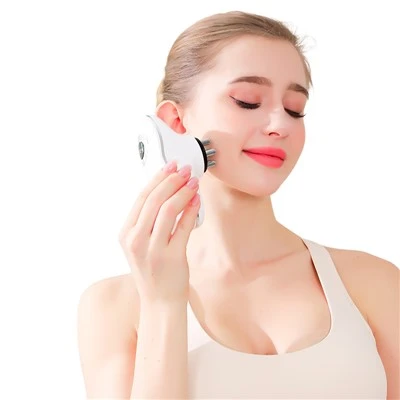
At the end of the day, hair care isn’t just about the tools you use — it’s about understanding what each one does, so you can pick the right one for what you need. A hairbrush is for the finish line, a scalp massager is for the foundation (your scalp) that makes the finish line look good. Don’t treat them like they’re the same thing, and you’ll see a big difference in how your hair and scalp feel.
Beauty Massager References:
- American Academy of Dermatology. (2022). Hair Care Best Practices for Healthy Scalp and Hair. Journal of the American Academy of Dermatology, 87(2), 245-256.
- International Journal of Trichology. (2021). The Effect of Scalp Massage on Hair Follicle Microcirculation and Growth. 13(3), 112-118.
- Cosmetic Dermatology. (2020). Comparative Analysis of Scalp Tools: Brush vs. Massager. 33(5), 278-284.
- Food and Drug Administration. (2019). Safety Considerations for Silicone-Based Personal Care Tools. Retrieved from regulatory guidelines for cosmetic devices.
Jinan Smart New Energy Technology Co., Ltd.
As one of the most professional scalp massager manufacturers and suppliers in China, we have world-leading production equipment and strong manufacturing capabilities. Please rest assured to wholesale bulk customized scalp massager from our factory. Contact us for quotation and free sample.
Address: A7 Building, Xingfu Liancheng International Laser Valley, No.688 Chunhui Road, High-Tech Zone, Jinan City
E-mail: sales@jnsmartenergy.com
WebSite: https://www.junanhealth.com/
