If you’ve ever stood in a parking lot, admired a car’s sharp, well-maintained front end, and realized the first thing that catches your eye isn’t the headlights or the paint—it’s the grille. That’s not a coincidence. Grilles are the face of any vehicle, whether it’s a passenger SUV, a commercial truck, or a heavy-duty fleet vehicle. For a grille systems supplier, we talk to fleet managers, body shops, and even individual car owners all the time, and the most consistent question we get is: “How do I keep my grille looking like new, not dull, pitted, or covered in grime after just a few months?” Front Grille Systems

It’s a fair question. Grilles don’t just look good—they serve a critical function, too. They direct airflow to radiators and engines, protect internal components from road debris, and support sensor systems for modern driver-assistance tech. That means their maintenance isn’t just about aesthetics; it’s about performance, too. Over the years, we’ve tested everything from DIY hacks to professional cleaning products, and worked alongside mechanics and corrosion specialists to build a guide that actually works for our grille systems, as well as the vehicles they’re installed on. Let’s break this down step by step, no jargon, no empty tips.
First, let’s start with what makes grilles lose their shine. A lot of people think it’s just dirt and bugs, but the damage happens in layers, most of which you can’t see at first. Road salt is a big one, especially for anyone in cold climates where ice removal is a regular part of winter. That salt doesn’t just sit on the surface—it seeps into the tiny crevices between grille bars, especially in mesh or honeycomb designs, and reacts with the metal (whether it’s aluminum, steel, or even the coated polymers we use for many modern grilles). It causes oxidation, pitting, and that dull, chalky finish that makes even a new-looking vehicle feel run-down.
Then there’s bug residue. Bugs have a mild form of acid in their bodies, and if you let it bake onto the grille in the sun, it etches into the surface coating over time. Bird droppings are even worse—they’re high in uric acid, which can eat through clear coat or protective layers in just a few days if left untreated. Even something as common as road grime and dust isn’t harmless: it acts like sandpaper every time wind hits, or when you drive through a car wash with harsh bristles, scratching the surface slowly until the shine fades.
So the first rule of maintaining a grille’s shine is regular, gentle cleaning—but not the kind of cleaning you might be used to. A lot of people reach for a pressure washer on high, thinking that will blast away all the gunk. That’s a mistake. We’ve seen it hundreds of times: high-pressure water can force its way past the protective sealant on grilles, pry loose small parts, or even bend thin grille bars, especially on the chrome or polished aluminum styles many customers request. Instead, start with a low-pressure rinse first, maybe 1500 to 2000 PSI max, held at least a foot away from the grille surface to avoid damage.
For regular cleaning, use a mild pH-neutral car wash soap, not dish soap or all-purpose cleaner. Dish soap is designed to cut through grease on your pots and pans, but it strips the protective clear coat or wax from car surfaces—grilles included. All-purpose cleaners, especially those with harsh chemicals like ammonia, will eat away at the protective coating on grilles over time, even if you don’t see it right away. Mix that soap with warm water, grab a soft-bristled brush—avoid stiff bristle brushes or sponges that have dirt embedded in them—and gently scrub the grille in circular motions, focusing on the gaps where bugs and grime collect. If you have a honeycomb or mesh grille, a small detail brush works perfectly to get into those tight spots without scratching.
Now, what about tough stains—bug splatter, bird droppings, road salt buildup? These don’t come off with just a regular rinse, and scrubbing too hard can make scratches worse. For bug residue, try a commercial bug remover that’s designed for automotive use, applied and allowed to sit for 2 to 3 minutes before rinsing. Don’t let it dry completely on the grille, though—follow the manufacturer’s instructions, and rinse it off right after the dwell time. For bird droppings and salt buildup, a paste made of baking soda and warm water works as a gentle, non-abrasive cleaner. Apply it to the stain, let it sit for 5 minutes, then scrub lightly with your soft brush and rinse. Avoid abrasive pads or steel wool, even if the stain feels stuck—those will scratch the surface permanently.
Once your grille is clean and completely dry (never apply protective products to a wet grille, as that can trap moisture and cause corrosion), the next step is protection. This is where most people cut corners, but it’s the difference between a grille that stays shiny for a year and one that needs reconditioning every few months. For most grille materials, there are two types of protection to choose from: wax or sealant.
Carnauba wax is a popular choice for polished aluminum or chrome grilles, because it gives a deep, wet shine. But it’s not as durable as a synthetic sealant—carnauba needs to be reapplied every 4 to 6 weeks, especially if you drive in rainy or salty conditions. Synthetic sealants, on the other hand, last 3 to 6 months, form a stronger barrier against dirt, acid, and salt, and work well for all grille materials, including the polymer and painted styles we manufacture. If you have a heavy-duty commercial grille that’s exposed to more debris (like garbage trucks or construction vehicles), we recommend a ceramic coating. Ceramic coatings are even more durable than sealants, lasting 1 to 2 years, and they resist both UV damage and chemical stains better than any other product.
Wait, but what about grilles with chrome plating? Chrome is popular for its shine, but it’s also porous, meaning it can trap contaminants easier than solid aluminum. For chrome grilles, you need to use a polish specifically designed for chrome, not regular metal polish, which can scratch the plating. We always recommend a two-step process for chrome: first, use a mild chrome cleaner to remove oxidation, then apply a chrome-specific sealant to protect it. Never use steel wool or abrasive scrubbers on chrome—even a tiny scratch can turn into a rust spot over time, which will ruin the finish.
One thing we always emphasize to customers is that maintenance depends on your vehicle’s use. A passenger car that’s garaged, driven mostly on highways, and cleaned once a month will have different needs than a commercial delivery van that’s on the road every day, exposed to city grime and winter salt. For commercial fleets, we suggest a weekly check and light cleaning, plus a deep clean and sealant application every 3 months. For passenger cars, a monthly wipe-down and sealant every 6 months is more than enough to keep the grille looking great.
There are also a few mistakes people make that can permanently damage a grille’s shine, so let’s cover those. First, don’t ignore small problems. That tiny spot of rust on the edge of your grille bar? It won’t go away on its own. Even a small rust spot will spread, eating through the metal and pitting the surface until the whole grille looks dull. If you notice a small rust spot, clean the area thoroughly, sand it lightly with 2000-grit sandpaper, and touch it up with a matching paint or a clear rust inhibitor. For polymer grilles, small chips or faded spots can be restored with a plastic trim restorer, which brings back color and shine without re-coating the whole grille.
Another common mistake is using generic cleaning products. We’ve seen customers bring in grilles that were cleaned with oven cleaner, brake cleaner, or even gasoline, all in an attempt to remove tough stains. These products are way too harsh for automotive surfaces, and they will discolor or eat through coatings in a matter of minutes. Stick to products designed for automotive use, and when in doubt, test a small, hidden area (like the inside of the grille) before applying anything to the entire surface.
What about sensor-integrated grilles, which are standard on most modern vehicles now? We know a lot of customers worry about cleaning those, because they don’t want to damage the radar or camera sensors behind the grille. The good news is, the grille material around sensors is designed to be non-reflective and smooth, and cleaning it follows the same steps as the rest of the grille—just be gentle around the sensor area, avoid spraying high-pressure water directly at the sensor lens, and don’t use any products that are not designed for automotive surfaces, as even a small amount of residue on the sensor can disrupt its function.
Over the years, we’ve also learned a thing or two from customers who have had grilles installed incorrectly. A grille that’s misaligned, with gaps between the grille and the body, will trap dirt, moisture, and debris inside that you can’t reach with regular cleaning, leading to corrosion from the inside out. That’s why we always recommend having your grille systems installed by a professional, or ensuring a precise fit if you’re doing it yourself— a proper fit isn’t just about aesthetics, it’s about long-term performance and shine.
So let’s wrap this up. Maintaining a front grille’s shine isn’t hard, but it’s consistent. It starts with gentle, regular cleaning with the right products, follows with a protective coating matched to your grille material and vehicle use, and avoids the common mistakes that cause permanent damage. Whether you’re a fleet manager responsible for a dozen commercial vehicles, a body shop owner looking to keep customer vehicles looking new, or an individual car owner who takes pride in their ride, these steps will help your grille stay the sharp focal point it’s meant to be.
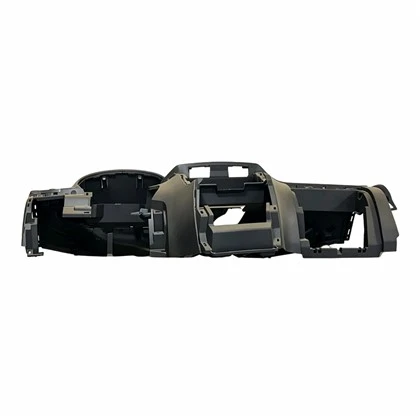
If you’re in the market for new grille systems, or you have questions about maintaining or replacing your current grilles, we’re here to help. We work with a wide range of vehicle types, from passenger cars to heavy-duty fleets, and our team has the expertise to help you choose and maintain the right grilles for your needs. Reach out to our team to discuss your requirements and learn more about our products.
Painting Plastic Auto Trim References
Automotive Maintenance Advisory Council. (2021). Best Practices for Exterior Vehicle Component Care. National Institute for Automotive Service Excellence.
Corrosion Prevention Association. (2020). Corrosion Mitigation for Aluminum and Steel Automotive Components.
Society of Automotive Engineers. (2019). Guidelines for Cleaning and Protecting Vehicle Exterior Trim and Grilles.
Hebei Xiujie Auto Parts Co., Ltd.
As one of the most professional front grille systems manufacturers and suppliers in China, we have world-leading production equipment and strong manufacturing capabilities. Please feel free to wholesale bulk customized front grille systems from our factory. Contact us for quotation and free sample.
Address: Industrial New Area, Wen’an County, Langfang City, Hebei Province (State-run Xiaowu Farm)
E-mail: runtaoli87@gmail.com
WebSite: https://www.xiujie-cn.com/
