As a wireless tow light bar supplier, I’ve spent thousands of hours talking to tow truck operators, fleet managers, and weekend RV owners who’ve asked the same question: “How do I clean my wireless tow light bar without ruining it?” I get it—these aren’t just plastic accessories you wipe down with a paper towel and Windex. They’re high-tech tools, made to withstand rain, salt, dirt, and the constant vibration of towing. Mess them up, and you’re not just out a light bar—you’re risking fines, accidents, or even damage to your tow vehicle. Wireless Tow Light Bar
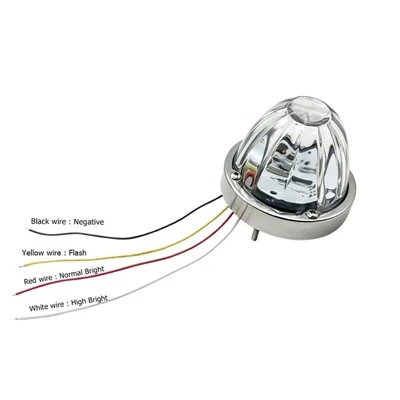
Over the years, I’ve tested dozens of cleaning methods, worked with product engineers to figure out what can and can’t touch our light bars, and heard too many horror stories of operators ruining a $200 light bar with the wrong cleaner. Today, I’m sharing the step-by-step process that works for every wireless tow light bar, plus the mistakes you need to avoid at all costs.
First, let’s start with why cleaning your wireless tow light bar is non-negotiable. It’s not just about looking professional (though let’s be real—nothing turns a fleet off faster than a foggy, dirt-caked light bar). Wireless tow light bars rely on two things to work: clear LED lenses to emit light, and unobstructed sensor and charging areas to maintain connection. If dirt builds up on the lens, you’ll lose visibility—something critical at night or in bad weather. If the charging port or wireless transmitter gets caked with road grime, salt, or brake dust, your light bar might fail to pair with the receiver, or its battery might die mid-tow. That’s a safety hazard, plain and simple.
The good news is, cleaning your wireless tow light bar is simple, as long as you use the right tools. Let’s break down what you need before you start. Skip the harsh stuff—no ammonia-based window cleaners, no steel wool, no pressure washers. Those will scratch the lens, corrode the internal electronics, or strip the waterproof seal that keeps your light bar working in heavy rain. Here’s what you should grab:
- Mild dish soap (the kind you use for dishes, not the heavy-duty degreaser for baked-on grime)
- Distilled water (tap water has minerals that can leave spots and build up over time)
- A soft microfiber cloth (lint-free, so it won’t leave fibers all over the lens; avoid paper towels—they’re full of tiny wood fibers that scratch plastic)
- A cotton swab (unscented, for getting into tight spots around the charging port or sensor)
- Isopropyl alcohol (91% strength, not 70%—the higher concentration evaporates faster and leaves less residue, but only use this for tough, greasey spots)
- A soft-bristled toothbrush (new, not the one you use for your teeth, for scrubbing around the mounting edges)
Now, let’s walk through the steps, tailored specifically to wireless tow light bars. I’ve adjusted these from our product testing guidelines, so they’re proven to work without damaging your light bar.
-
Prep your light bar first. This is the most important step I see operators skip. Always disconnect the light bar from its receiver, and if it’s attached to a tow vehicle, remove it from the mounting bracket. Why? Cleaning it while it’s attached can let water seep into the connections, and vibration from the mount can scratch the lens while you’re wiping. Plus, detaching it gives you full access to every nook, especially around the charging port and antenna, where dirt hides.
-
Do a dry wipe first to loosen surface grime. Before you get any liquid on the light bar, grab your dry microfiber cloth and wipe the entire surface, including the lens, mounting edges, and the back of the unit. This will remove loose dirt, dust, and pebbles that could scratch the lens when you scrub it. For caked-on mud or salt that’s hardened, you can gently blow on it or use a soft-bristled toothbrush to brush it loose—just don’t press hard, because you don’t want to scratch the plastic.
-
Mix your cleaning solution. In a small bowl, mix a quarter teaspoon of mild dish soap with two cups of distilled water. Swirl it around until it’s sudsy, but not too bubbly. This solution is gentle enough to lift grease and road grime without stripping the light bar’s waterproof seal or damaging the plastic. Never use full-strength dish soap—it has chemicals that can break down the finish on the light bar over time.
-
Clean the lens and main body. Dampen your microfiber cloth with the soapy solution, wring it out until it’s almost dry—you don’t want it dripping, because excess water can get into the internal electronics. Wipe the lens in gentle, circular motions, not back and forth. Scrubbing too hard can scratch the lens, and circular motions prevent streaks. For the main body of the light bar, wipe down the sides, top, and bottom, paying extra attention to the areas around the mounting holes and the edge of the light bar’s casing. Avoid getting the cloth directly on the charging port or wireless antenna for now—we’ll clean those separately to avoid water damage.
-
Clean tight spots and connectors. This is where most grime hides, and where mistakes happen. Grab your cotton swabs and dip the tip into the soapy solution, then squeeze off any excess liquid so the swab is damp, not wet. Gently clean around the charging port, the LED gap around the lens, and any small sensors on the back of the light bar. If there’s baked-on grease or heavy brake dust around the mounting holes, you can use the soft-bristled toothbrush with a little bit of soapy solution to scrub those areas—just be super gentle. For stubborn, greasy spots on the body of the light bar, you can use a tiny bit of 91% isopropyl alcohol on a corner of your microfiber cloth to dab the spot—rubbing alcohol works great for cutting grease, and it evaporates quickly so it won’t leave residue.
-
Dry thoroughly. After you’ve cleaned every part, grab a dry microfiber cloth and wipe down the entire light bar to remove all moisture. This step is non-negotiable—leaving water on the light bar can cause water spots, and if you missed a drop around the charging port, standing water can corrode the metal connectors over time. For the tight spots around the charging port and sensors, you can use a dry cotton swab to absorb any leftover moisture. Don’t leave the light bar to air dry, because that can let dust and lint stick to wet surfaces.
-
Test it before reattaching. Once your light bar is completely dry, pop in a fresh battery (or charge it if it’s rechargeable) and pair it with your receiver to make sure it still works. I can’t tell you how many times a customer has cleaned their light bar, reattached it to their tow truck, and found that the connection didn’t work because they missed a spot on the wireless sensor. Testing it first saves you a trip back to the yard in the middle of a tow.
Now, let’s talk about the big mistakes I see people make that ruin their wireless tow light bars. Avoid these, and your light bar will last for years:
- Don’t use pressure washers. Even the low-pressure setting on a pressure washer can push water into the waterproof seal of your light bar, damaging the electronics inside. Even if your light bar is rated waterproof, high-pressure water is too forceful. Stick to hand cleaning.
- Don’t use ammonia, bleach, or window cleaners. These chemicals are too harsh for the plastic and seal on your light bar. They can fog the lens over time, turn the plastic yellow, or break down the seal that keeps water out. A quick side note: a lot of people use Windex to clean their car windows, and they think it works the same for light bar lenses—but it doesn’t.
- Don’t use paper towels or rough sponges. Paper towels have tiny wood fibers that scratch the lens, and rough scouring sponges will do the same. Stick to lint-free microfiber cloths every time.
- Don’t clean your light bar right before a tow. Give it time to dry completely. If you reattach it while it’s still damp, water can get into the connections and cause the light bar to fail mid-tow. I recommend cleaning it after you finish using it for the day, so it’s dry and ready to go next time.
One last tip from our engineering team: every 30 days, do a deep clean of your wireless tow light bar, not just a quick wipe down. Road grime, salt, and oil build up over time, even if you can’t see it, and that build up can interfere with the wireless connection between your light bar and receiver. A quick 10-minute clean every month will save you from expensive repairs or replacements down the line.
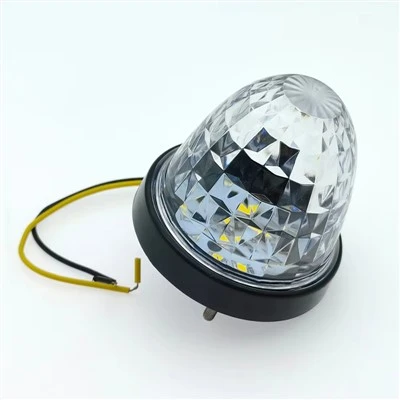
At the end of the day, your wireless tow light bar is an investment. It keeps you safe on the road, helps you avoid tickets for poor lighting, and makes your job easier. Taking a little time to clean it the right way will make it work better, last longer, and save you money in the long run.
Glass Watermelon Lights If you have questions about cleaning your specific wireless tow light bar, or if you’re in the market for a durable, easy-to-clean model, I’d love to help. Don’t hesitate to reach out to discuss your needs.
References
- National Highway Traffic Safety Administration. “Lighting and Visibility Requirements for Tow Vehicles.” 2022.
- Automotive Aftermarket Industry Association. “Proper Maintenance of Wireless Electronic Accessories.” 2021.
- Manufacturer Guidelines for Wireless Tow Light Bar Waterproof Seals, Product Testing and Compliance. Internal Engineering Documentation, 2023.
Shenzhen Idun Photoelectric Technology Co., Ltd.
As one of the most professional wireless tow light bar manufacturers and suppliers in China, we have world-leading production equipment and strong manufacturing capabilities. Please feel free to wholesale customized wireless tow light bar at competitive price from our factory. Contact us for more cheap products.
Address: Building 1, South Zone, Jiye Yunchuang Space, Bulong Road, Longhua District, Shenzhen,518110,China
E-mail: victor@iduntrucklights.com
WebSite: https://www.iduntrucklights.com/
