When I first started out as a corrugated roof sheet making machine supplier, I used to get calls all the time from small construction company owners and startup manufacturers asking the same basic question: “Can I just hire a couple of guys off the street to run one of these machines?” My answer used to be the same, too – and it wasn’t “yes.” Over the past 12 years, I’ve seen more than a few operations sink or swim based on how well their machine operators understand what they’re actually doing. That’s why today, I want to break down the real special skills you need to run this equipment well, not just the ones people think matter. Corrugated Roof Sheet Making Machine
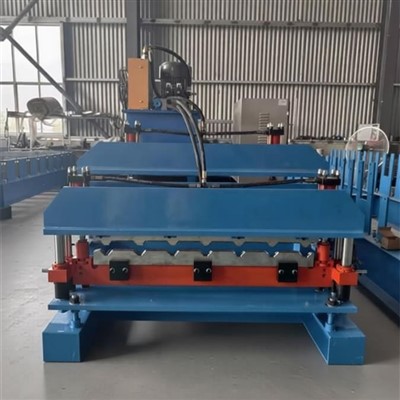
First, let’s get one thing straight: operating a corrugated roof sheet making machine isn’t like flipping on a assembly line and walking away. This isn’t a pre-packaged product that comes out perfect every single time – not if you want it to hold up in extreme heat, heavy rain, or wind zones where people actually need the roof to keep their buildings standing. I’ve had customers come to me after a year of running a cheap, secondhand machine with untrained operators, complaining that their sheets are cracking, the corrugations are uneven, and they’re wasting 15% more raw material than they should. Almost every time, the problem traces back to missing key skills that aren’t listed on any generic operator job description.
The first non-negotiable skill is precision mechanical adjustment, paired with a working knowledge of material physics. Let’s be clear: corrugated roof sheets are made from different materials, right? Galvanized steel, aluminum, even certain types of coated PVC for specific markets. Each material reacts differently when it’s pulled through the forming rollers. A sheet of 26-gauge galvanized steel, for example, is thinner and more flexible than 22-gauge, so the gap between the top and bottom forming rollers can’t be the same. I’ve seen operators try to run thin 26-gauge through a machine set for thicker material, and the result is a sheet that’s wavy, with corrugations that are too deep in some spots and too shallow in others. Even worse, they might over-tighten the rollers, which can tear the material or cause it to snap mid-run, leading to hours of downtime while they clear the jam.
Good operators don’t just turn a dial until it feels “right.” They understand that each material has a specific elasticity and ductility, which changes with temperature, too. On a 90-degree summer day, aluminum expands more than it does in winter, so they have to adjust the roller tension to account for that expansion. I always train new operators to check material thickness with a caliper every two hours, instead of just relying on the machine’s automatic feed reading. That small step prevents a lot of errors that would otherwise end up with stacks of defective sheets being hauled to the scrap yard. It’s not rocket science, but it’s a skill that comes from practice – not from watching a 10-minute YouTube video.
Next, process control and troubleshooting for real-time issues. A lot of people think the machine does all the work, but in reality, the operator is the one steering the whole process from start to finish. Let’s walk through a typical production run: you load a coil of material, set the machine’s speed, and start it up. But 10 minutes in, you notice that the cut length of the sheets is off by an inch. A new operator might panic, hit the emergency stop, and spend 20 minutes adjusting the encoder, only to find that the real problem was a bent roller in the forming station. An experienced operator, though, will notice that the error is consistent – every sheet is off by exactly the same amount – so they’ll first check the material feed tension, then the guide rollers, before digging into the cut-length setting. That saves time and prevents unnecessary adjustments that can throw the process even further off.
Troubleshooting is also about knowing when a small issue will turn into a big one. For example, if a small piece of debris gets caught between the rollers, a new operator might keep running the machine because they don’t want to stop production. The result is a scratch on the sheet that makes it useless, or even a bent roller that costs $500 to replace and takes two days to fix. Good operators are proactive about doing pre-run checks – cleaning the rollers, checking for loose bolts, and running a test sheet before starting a full production run. That’s a skill that comes from learning from mistakes, and it’s one I can’t teach overnight to someone who’s never worked with industrial machinery before.
Then there’s compliance with safety standards, which I can’t stress enough. Corrugated roof sheet making machines are heavy, fast, and have a lot of moving parts that can cause serious injury if not handled right. But safety isn’t just about following rules – it’s about understanding why the rules exist. For example, the safety guards on the forming rollers aren’t just there to get in the operator’s way; they’re there because a loose piece of material could catch on their sleeve and pull their arm into the rollers before they can react. I’ve had more than one customer tell me their operator took a guard off to “see better” and got a bad bruise when a piece of steel snapped back at them.
Beyond personal safety, operators also need to know about quality compliance for the end product. Different regions have different standards for roof sheets – for example, in parts of Southeast Asia, roof sheets need to withstand typhoon winds up to 120 mph, which means the corrugation pitch and height have to meet specific measurements. In North America, building codes require a certain level of corrosion resistance for roof sheets in coastal areas. A good operator doesn’t just make whatever sheet comes out – they understand the requirements for their market, and they adjust the machine accordingly. That means knowing how to calibrate the notching and punching stations, for example, to make sure the holes for fasteners are spaced exactly where they need to be, so the sheets don’t leak or pull loose over time.
Another skill that’s often overlooked is basic data tracking and record-keeping. I know, it sounds like an office job, but it’s critical for keeping production efficient. A good operator will track how much material they use for a run, how much scrap they generate, and how long it takes to produce a pallet of sheets. This data helps the owner of the operation identify inefficiencies – maybe a certain material grade is causing more scrap, or the machine is running faster when adjusted a certain way that reduces waste. New operators might not bother with this, or they might log inaccurate numbers, which leads to poor decisions about pricing and production planning. For example, if you don’t track scrap rates, you might think you’re making a profit on a run, but really you’re wasting so much material that you’re losing money.
Wait, but what about newer machines with automatic controls? I get that question all the time, because a lot of suppliers sell “user-friendly” machines that come with touchscreens and automated settings. Let’s be honest: those machines do take some of the guesswork out of the process, but they don’t eliminate the need for skilled operators. I’ve seen a customer with a fully automatic machine that was making sheets with uneven corrugations, because the operator just pressed “start” and didn’t notice that one of the material guides had shifted out of place. The automatic system can only do what it’s programmed to do – it can’t spot a small misalignment that’s causing defects, because it doesn’t have the same tactile understanding of the material that an experienced operator has.
Automatic settings are great for consistency when you’re running the same material all day, but if you need to switch between two different material grades, you still need someone who knows how to adjust the machine’s settings properly. I had a customer last year who bought one of our fully automated machines to reduce labor costs. They hired an operator who only had experience with small, semi-automatic machines, and within three months, they’d burned out two sets of rollers because he didn’t understand how the automatic tension control worked with thicker material. The machine saved them on labor, but the repairs cost them more than they would have spent on a skilled operator for a year.
Let’s also talk about adaptability, because that’s a huge skill for anyone running this kind of equipment. The construction industry is always changing – new materials come out, new building codes are enacted, and demand for different types of roof sheets shifts. For example, a few years ago, there was a big push for lightweight roof sheets for residential buildings, so operators had to learn how to work with thinner, more flexible material that required more delicate roller adjustments. More recently, demand for solar-ready roof sheets has gone up, which means operators need to know how to make sheets with specific dimensions that work with solar panel mounting systems. If an operator only knows how to run one specific machine for one specific product, they’re going to be left behind when the market changes.
I’ve built my business on working with customers to not just sell them a machine, but to make sure they have the skills to run it well. That’s why I offer on-site training for every customer, and I also connect them with a network of experienced operators who are looking for work in different regions. I’ve seen too many small manufacturers go out of business because they cut corners on training, assuming that anyone can run the machine. The machines are expensive, so it’s a waste of money to buy one if you’re not going to use it properly.
So, to circle back to the original question: are there special skills required to operate a corrugated roof sheet making machine? Absolutely. They’re not the kind of skills that require a college degree, or even years of specialized engineering experience, but they’re not skills that anyone can pick up in a week, either. They include understanding how different materials behave, being able to adjust and troubleshoot the machine in real time, following safety and quality standards, tracking production data, and being adaptable to changing market needs.
If you’re in the market for a corrugated roof sheet making machine, don’t just look for the cheapest option, or the one with the most automated features. Ask about training, ask about support, and be honest about whether your team has the skills to run it. A machine is only as good as the person operating it, and I’ve seen the best machines produce garbage when run by someone who doesn’t understand what they’re doing.

If you’re ready to invest in a corrugated roof sheet making machine for your operation, or you have questions about training and support, don’t hesitate to reach out to discuss your needs. We work with operations of all sizes, from small local manufacturers to large construction firms, and we can help you find a solution that fits your skills and your budget.
Roofing Sheet Roll Forming Machine References
- Construction Equipment Association. (2022). Operational Skills for Industrial Metal Forming Machinery. CEA Technical Bulletin.
- International Organization for Standardization. (2021). ISO 1461:2021 – Hot-dip Galvanized Coatings on Ferrous Articles. ISO Standards for Metal Construction Materials.
- American Iron and Steel Institute. (2020). Best Practices for Operating and Maintaining Metal Forming Equipment. AISI Production Guidelines.
- World Bank Group. (2019). Small and Medium Enterprise Productivity in the Construction Sector. SME Development Series.
- European Metal Forming Association. (2022). Safety Standards for Industrial Roofing Manufacturing Machinery. EMFA Safety Guidelines.
Botou Shengda Cold Forming Machinery Equipment Manufacturing Co., Ltd.
Address: Liuxin Village, Botou Town, Botou City, Cangzhou City, Hebei Province
E-mail: cangzhoushengda888@163.com
WebSite: https://www.sdrfm.com/
