When I first started working with skid-mounted fuel stations almost a decade ago, I thought their most critical component was the actual fuel tank—after all, that’s what holds the product, right? Over time, though, I’ve learned that the filtration system is the unsung hero of these compact, self-contained units. If the filters don’t work as they should, you’re not just risking clogged fuel lines at a job site; you’re risking engine damage, lost productivity, and even safety hazards for the teams relying on your fuel. As a supplier of these units, I’ve spent countless hours refining the filtration setups in my skid-mounted stations, working with field operators to figure out exactly what they need when they’re out in the field, away from the convenience of a full maintenance shop. Skid-mounted Fuel Station
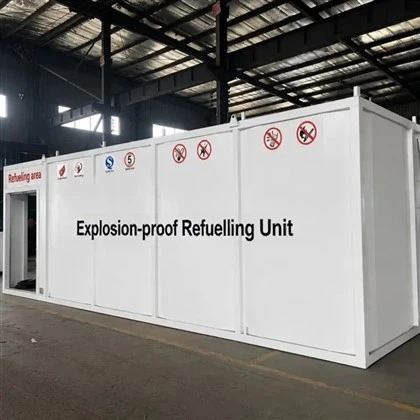
Let’s start with the basics: why filtration is non-negotiable for any fuel station, let alone a skid-mounted one. Skid units are designed to be transported easily—slid onto a flatbed truck, strapped to the back of a utility vehicle, or dropped in a remote location like a construction site, farm, or mining camp. That means they’re exposed to dust, dirt, water, and even small debris during transport and storage. Even the fuel itself, when it’s delivered to a job site, can have contaminants: sediment from the pipeline, water condensation in delivery trucks, or tiny particles that make their way into drums or barrels. If you pump that unfiltered fuel directly into an engine, you’re looking at injector clogging, pump wear, and even complete engine failure. I’ve seen it happen firsthand—an oil field operator pulled a skid unit I supplied years ago didn’t realize their old filtration system was worn out, and a whole fleet of generators had to be taken offline for repairs, costing them tens of thousands of dollars in downtime. That’s the kind of mistake I work to prevent for every customer, so the filtration system in our skid units is built in layers, not just a single filter that you forget about.
First, there’s the primary filtration stage, right at the point where fuel enters the skid’s storage tank. We use what’s called a spin-on primary filter housing here, not a cheap plastic one—our housings are heavy-duty steel, rated for outdoor use and vibration from transport. These filters are rated for 10-micron particles, which is large enough to catch most sediment and rust that gets into fuel during delivery or tank handling. But here’s the thing: primary filters aren’t just about catching big debris—they also work with water separation. Water is a bigger enemy than most people realize. Even small amounts of water in diesel fuel can cause microbial growth, which clogs filters and breaks down fuel quality over time. Our primary filters have a water-absorbent media that pulls free water out of the fuel as it flows into the tank, and most of our skid units have a sight glass at the bottom of the filter housing so operators can see when water is building up and needs to be drained. That’s a small feature, but it’s made a huge difference for operators who might be checking their fuel levels at the start of a work week, not mid-shift.
Next, as fuel is pulled from the tank for dispensing, it goes through a secondary filtration stage, located just before the fuel nozzle. This is where we step up the filtration to 2-micron, which catches smaller particles that slipped past the primary filter. For our diesel-specific skid units, we also add a coalescing filter element here. Coalescing filters work by turning tiny, suspended water droplets into larger ones that can be caught and separated out, so by the time the fuel reaches the nozzle, it’s almost completely free of water and fine particles. For gasoline skid units, we adjust the secondary filter media to be compatible with gasoline’s chemical makeup, since gasoline is more volatile and can degrade some filter materials. I always tell customers that the secondary filter is their last line of defense before fuel hits their engine, so we never skimp on the quality here—we use filter elements from manufacturers that test their media to make sure they don’t break down when exposed to constant fuel flow, even in extreme temperatures. That’s important because a construction site in Arizona can see 110-degree heat in the summer, while a mining operation in Canada might get -20 in the winter—our filtration systems have to perform in all those conditions.
Wait, there’s one more component I almost forgot: the recirculation line. On every one of our skid-mounted fuel stations, we have a small recirculation loop that runs from the pump back to the storage tank, after the secondary filter. Why? Because it keeps fuel moving through the filtration system even when no one is dispensing fuel, which means contaminants can’t settle to the bottom of the tank and go stagnant. Stagnant fuel is where microbial growth really takes off, especially in warm weather. Operators might not think about turning on a recirculation system every day, so we make it automatic—it kicks in whenever the pump is not in use, running for 15 minutes every hour to keep the fuel moving. That’s another feature that came from customer feedback. A farm operator told me once that they only use their skid unit a few times a month, and their old setup would have fuel go bad between uses. Now, with the recirculation line, their fuel stays clean for months, even if they don’t run it constantly.
I also want to talk about maintenance accessibility, because even the best filtration system is useless if no one can easily service it. A lot of cheap skid units on the market hide their filter housings, making you have to unbolt the whole unit to replace a filter. Our housings are mounted on the outside of the skid frame, right next to the pump, so you can change a filter in 10 minutes with a standard socket wrench, no special tools needed. We include a clear manual and a laminated maintenance chart right on the skid, so operators don’t have to guess what filter goes where or when to change it. The standard recommendation is to change primary filters every 6 months and secondary filters every 12 months, but we adjust that based on the customer’s environment—if someone is running their skid unit on a dusty construction site, we suggest changing primary filters every 3 months, and we make it easy to order replacement filters through our supply network.
Recently, we’ve started adding optional digital monitoring to our filtration systems, which has been a game-changer for larger customers or those operating in remote locations. The monitor tracks filter pressure, water levels in the filter housings, and even fuel quality, sending alerts to the operator’s phone or email when a filter is getting clogged or water is building up. For a mining operation that has their skid unit 50 miles from the nearest office, that means they don’t have to send someone out every week to check the filter housing—they get a notification right when it’s time to service, which saves them time and money. I was skeptical about adding digital features at first, thinking it would be too complicated for small businesses, but a landscaping company we work with told us their team is made up of guys who grew up using smartphones, so the digital alerts actually made them more consistent about doing maintenance. That’s the great thing about working with different customers—they help you adjust what you’re building to fit their needs.
Let me address a common misconception I hear all the time: “Why can’t I just use the filters from my truck in the skid unit?” I get that, because truck filters are easy to find and people are familiar with them. But skid-mounted fuel stations operate at higher flow rates than a truck’s engine, especially if you have a pump that can dispense 50 gallons per minute for refueling a whole fleet of equipment. A truck filter is rated for a much lower flow, so if you use it in a skid unit, it’ll clog faster and won’t catch particles as effectively, which defeats the whole purpose. Plus, skid filters are built to handle prolonged exposure to outdoor conditions, like rain, snow, and UV light, without cracking or leaking. Truck filters are designed to be installed in the engine bay, where they’re sheltered, so they can degrade if used outside. That’s the kind of detail that separates a cheap skid unit from one that’s built to last, and it’s something I never cut corners on.
Another point: compatibility with different fuel types. We build skid units for diesel, gasoline, and even biodiesel blends up to B20, so the filtration system has to be tailored to each. Biodiesel is more prone to absorbing water and microbial growth, so we use specialized filter media that’s designed to handle biodiesel’s chemical properties, without breaking down or losing its filtration efficiency. For customers using biodiesel, we also add an extra water separation stage as an optional upgrade, which gives them an extra layer of protection. A few years ago, we had a customer who switched to B20 to meet environmental regulations, and he had issues with his old filtration system not handling it—after we upgraded his skid’s filtration, he didn’t have any more filter clogs or fuel quality issues. That’s when I realized that a one-size-fits-all filtration setup just doesn’t work, so we work with every customer to adjust the system based on what fuel they’re using and their specific operating conditions.
Safety is a big part of this too, right? If a fuel filter fails, you’re not just losing fuel—you’re dealing with leaks. Leaking fuel is a fire hazard, especially around construction sites or equipment with hot engines. All our filtration housings are pressure-tested before they leave our facility, and we use O-rings made from fuel-resistant rubber that don’t degrade over time. We also add a pressure relief valve in the secondary filter line, so if a filter does get clogged, the pressure doesn’t build up to dangerous levels and cause a leak. I’ve heard horror stories about skid units where a clogged filter caused a rupture, so we prioritize safety in every part of the filtration system, not just efficiency.
At the end of the day, the fuel filtration system is what makes a skid-mounted fuel station reliable. It’s the reason operators can show up to a job site, fill up their equipment, and know that the fuel won’t cause downtime, won’t damage engines, and won’t create safety issues. As someone who’s been supplying these units for years, I don’t just sell a skid with a filter attached—I build a system that’s tested in real-world conditions, adjusted for different environments, and easy to maintain for whoever’s using it.
If you’re in the market for a skid-mounted fuel station, whether it’s for a construction site, farm, mining camp, or landscaping business, I’d encourage you to ask about the filtration system. Don’t just take the supplier’s word that it’s “good enough”—ask what micron ratings they use, if it has water separation, how easy filters are to replace, and if it’s designed for the fuel type you’ll be using. At our company, we build every filtration system with those questions in mind, because we know that when your fuel system works, your whole operation works.
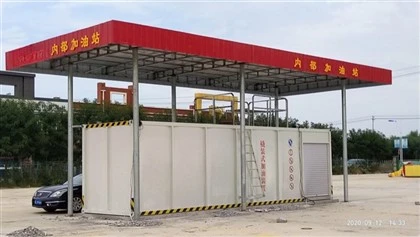
Whether you need a basic skid unit for small farm use or a large, digital-monitored setup for a remote mining operation, we can customize the filtration system to fit your needs. Reach out to our team to discuss your requirements, and we’ll help you build a skid-mounted fuel station that’s reliable, safe, and built to last.
Explosion Proof Gas Station References
Fuel Filtration: Principles and Practice. Society of Automotive Engineers, 2018.
Skid-Mounted Fuel Storage Systems: Design and Operational Guidelines. National Fire Protection Association, 2020.
Water Contamination in Fuel Systems: Causes, Effects, and Mitigation. American Society of Mechanical Engineers, 2019.
Shandong Jingcai Industry and Trade Co., Ltd.
As one of the most professional skid-mounted fuel station manufacturers and suppliers in China, we also support customized service. With abundant experience, we warmly welcome you to wholesale high quality skid-mounted fuel station in stock here from our factory. Contact us for free sample.
Address: Caojiazhuang Village Industrial Park, Lingcheng Town, Qufu City, Jining City, Shandong Province.
E-mail: shandongjingcai888@gmail.com
WebSite: https://www.sdjingcaicn.com/
